
147
Course Overview The Introduction to Electric Vehicle (EV) Short Course is designed to provide participants with a foundational understanding of …
Course Overview
The Introduction to Electric Vehicle (EV) Short Course is designed to provide participants with a foundational understanding of electric vehicle technology, key EV components, and basic maintenance principles. As the global automotive industry rapidly transitions towards electrification, there is an increasing demand for technicians, workshops, and industry professionals who understand how electric vehicles operate.
This course introduces participants to the core systems that power electric vehicles, including battery technology, electric motors, charging systems, and electronic control units. Participants will also learn the basic maintenance considerations required for EVs and the key differences between traditional internal combustion engine (ICE) vehicles and electric vehicles.
The course is suitable for automotive technicians, workshop owners, automotive students, and anyone interested in understanding the fundamentals of EV technology and maintenance.
What You Will Learn
1. Introduction to Electric Vehicles
Participants will gain an overview of electric vehicle technology and the global shift toward vehicle electrification. This module explains how EVs work and how they differ from conventional petrol and diesel vehicles.
2. Types of Electric Vehicles
This session introduces the different categories of electrified vehicles, including Battery Electric Vehicles (BEV), Hybrid Electric Vehicles (HEV), and Plug-in Hybrid Electric Vehicles (PHEV). Participants will learn the differences in system architecture and operation.
3. Key Components of an Electric Vehicle
Participants will be introduced to the main EV components, including high-voltage battery packs, electric motors, power inverters, onboard chargers, and battery management systems (BMS). The role and function of each component will be explained.
4. EV Battery Technology
This module explores lithium-ion battery technology, battery structure, energy storage principles, and factors affecting battery performance and lifespan.
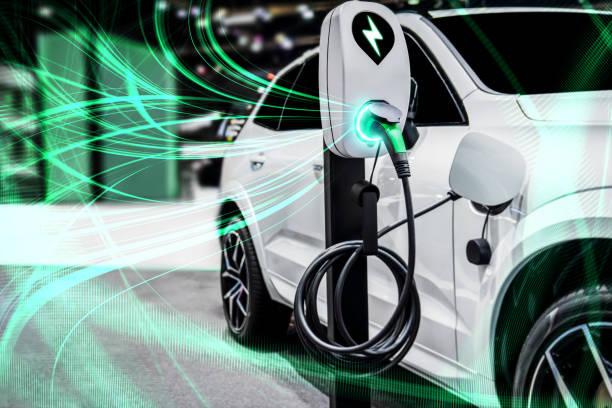
5. EV Charging Systems
Participants will learn about EV charging infrastructure, including AC charging, DC fast charging, charging connectors, and home charging solutions.
6. EV Maintenance and Servicing Basics
This session focuses on the key maintenance considerations for electric vehicles, including battery health monitoring, cooling systems, electrical connections, and software updates. Participants will also learn how EV maintenance differs from traditional vehicles.
7. Safety Awareness in EV Handling
Because EVs operate on high-voltage systems, this module introduces important safety awareness practices when working with or around electric vehicles.
8. Future of EV Technology
Participants will gain insights into the future of electric mobility, emerging EV technologies, and the growing opportunities in the EV ecosystem.
Who Should Attend
- Automotive technicians and mechanics
- Workshop owners and service managers
- Automotive students and trainees
- Car service and repair professionals
- Automotive enthusiasts interested in EV technology
Learning Outcome
By the end of this course, participants will be able to:
- Understand the basic principles of electric vehicle technology
- Identify the key components and systems used in EVs
- Recognize the differences between EV and traditional vehicle maintenance
- Understand EV charging systems and battery technology
- Develop awareness of EV safety practices and industry trends
Course Currilcum
-
- Vimeo video 00:00:00
- Minimal Video 00:00:00